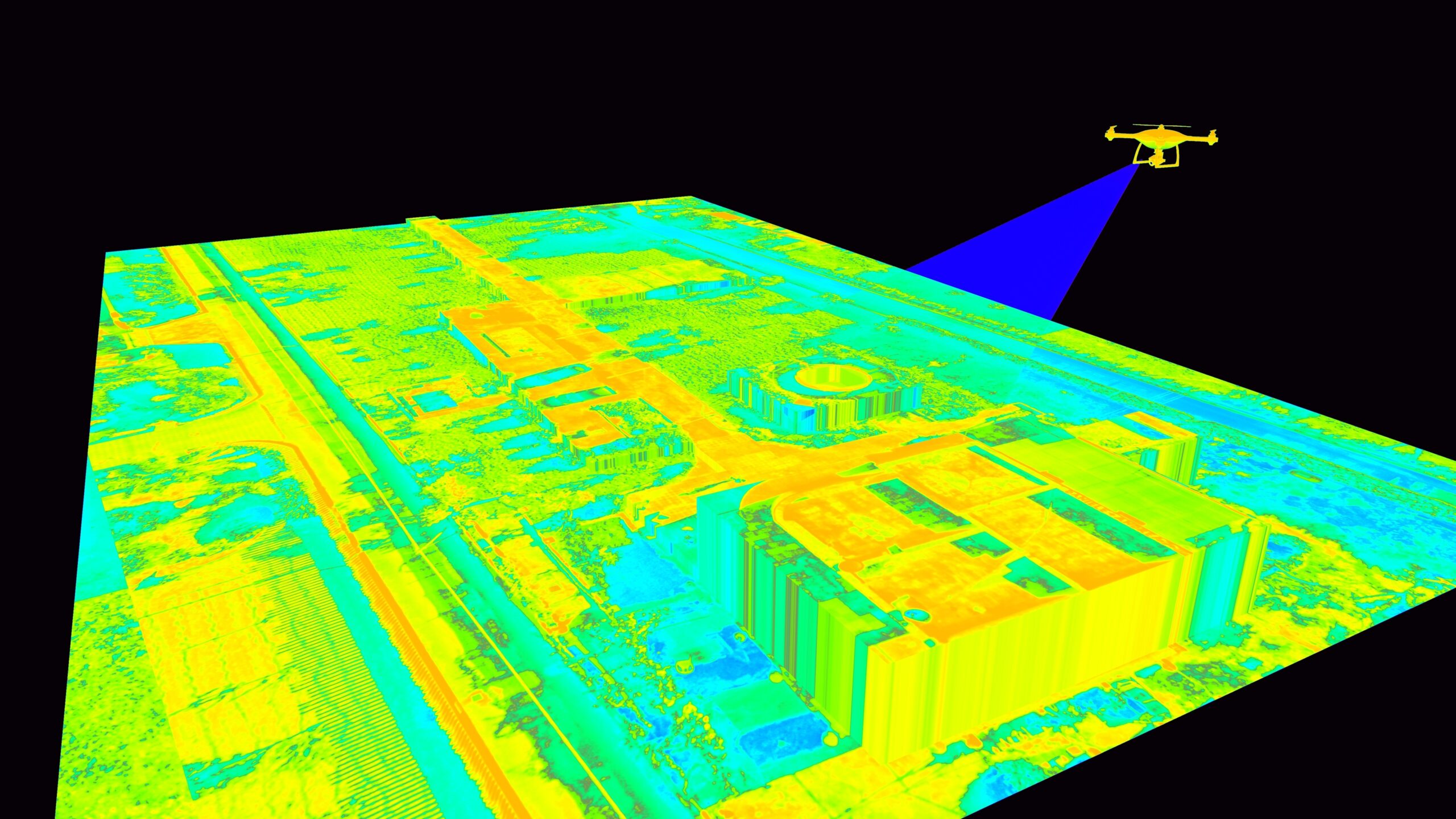
Two Types of Thermography
Just like any other discipline, you can't start to understand Thermography without understanding a few basic definitions and concepts. In today's segment (which is, admittedly, a little dry) we define a few of these concepts. In later blogs, we will take a deeper dive into each one separately.
First, there are two types of Thermography:
-
1
Qualitative Thermography:
The Art and Science of detecting, displaying and recording thermal patterns across the surface of an object. -
2
Quantitative Thermography:
The Art and Science of detecting, displaying and recording thermal patterns and temperatures across the surface of an object.
Heat Transfer
Since we are discussing the topic of thermal patterns, we must understand the concept of heat transfer. In physics and engineering, heat transfer is the foundational concept that describes how thermal energy moves from one place or object to another.
The first concept to understand is that heat energy moves in one direction only — Hot to Cold.
And this corrects a common myth. There is no such thing as cold energy. Just an abundance or absence of heat. So, when you open the door in the winter, you don't let cold in, you let heat out. Similar to darkness. It's not dark. There is an absence of light.
3 Modes of Heat Transfer
*** RADIATION IS THE ONLY HEAT TRANSFER MODE DIRECTLY SENSED BY IR EQUIPMENT ***
Infrared Radiation is heat energy in the form of electromagnetic wavelengths that are invisible to the human eye.
All bodies above Absolute Zero or Zero Kelvin (-273 degrees Celsius) emit IR Energy.
Visible Light is also a form of electromagnetic radiation with different wavelengths than Infrared Radiation.
Key Terms
In a future segment we will discuss the relationship between the two and why emittance is a crucial part of understanding Thermography.
What's Next
In our next segment we will discuss the relationship and differences between Infrared Radiation and Visible Light and why the Thermal Camera is The Ultimate Middleman!
Question? Let me know at jjlogush@jlloca.com
This article is for educational purposes only. Infrared thermography results should always be reviewed by a qualified thermographer. Secondary verification is typically required to confirm the cause of any thermal anomalies identified.