What Is Infrared Thermography?
Infrared Thermography is the science of detecting, visualizing, and recording thermal patterns across the surface of an object. It transforms invisible heat energy into a visual map we can actually interpret — giving inspectors and building owners a window into what's happening beneath the surface. Buildings may look well-constructed, but heat patterns often tell a very different story.
Infrared Thermography: the science of detecting, visualizing, and recording thermal patterns across the surface of an object — making invisible heat energy visible and actionable.
How Does It Work?
All objects with a temperature above absolute zero emit heat energy in the form of Infrared Radiation (IR) — energy that is completely invisible to the human eye. This includes people, trees, car tires, and even ice cubes. Colder objects emit less IR than warmer ones, but they still produce measurable thermal energy.
A thermal camera detects this IR radiation and converts it into a visual image, allowing us to "see" these thermal patterns in a way that standard photography simply cannot capture.
Absolute zero is defined as 0° Kelvin = −273°C. Everything above this temperature emits detectable infrared radiation — including building materials, mechanical equipment, and structural components.
What Does It Show?
Thermal images show symptoms, not causes. This distinction matters. Energy loss could result from a wide range of underlying issues:
- Age-related material deterioration
- Improper construction or installation
- Malfunctioning vents, fans, or HVAC components
- Moisture intrusion or insulation failure
- Loose fasteners or structural gaps
Secondary verification — such as visual inspections, contact temperature measurement, air leakage testing, or ultrasound testing — is usually required to confirm the underlying cause. Thermography points you in the right direction; follow-up investigation identifies the exact problem.
A Real-World Example
The images below show the same section of a chicken barn captured with two different cameras. The standard visible photograph reveals little of concern — it appears to be an older barn with some discoloration due to age. Exactly the kind of structure that benefits most from thermal inspection.
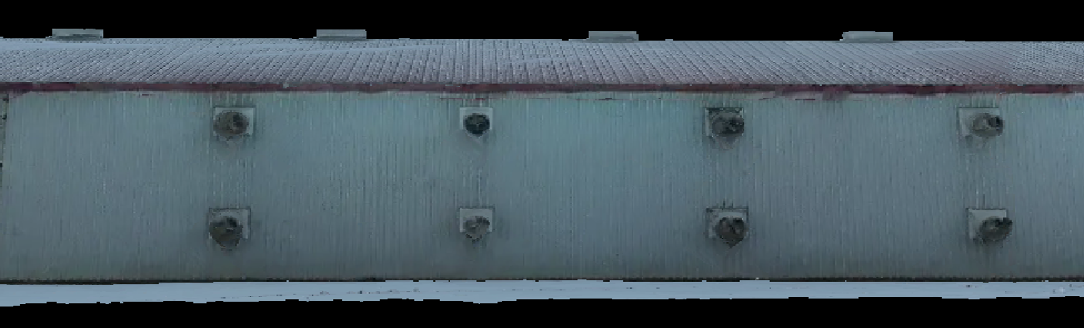
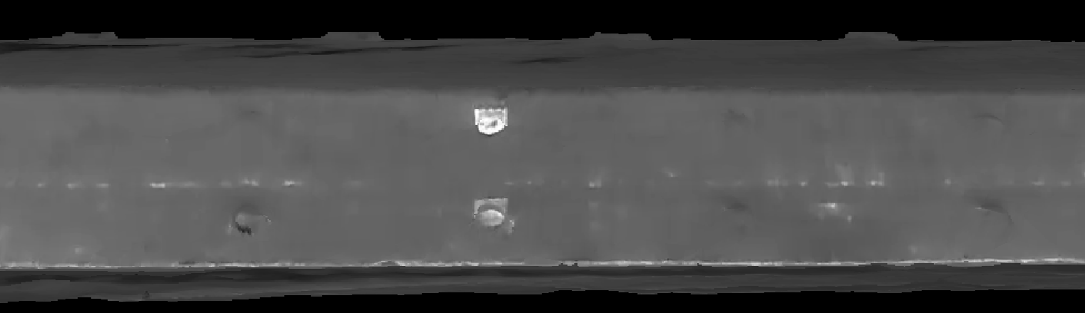
The thermal image tells a very different story. Two fans are showing significant energy loss. The remaining fans are barely distinguishable from the surrounding façade — their thermal pattern matches the structure closely, indicating they are functioning normally.
There is also a straight line of sporadic energy loss running through the center of the barn. This could be from loosening rivets, two sections of original construction that weren't properly sealed, material deterioration, or another underlying cause. Thermography identifies the symptom — secondary verification determines the root cause.
Infrared thermography allows inspectors to see what the human eye cannot — revealing hidden energy loss and potential building issues before they escalate into serious, costly problems.
What's Next
This is the first in our ongoing series on thermography fundamentals. In the next post, we'll walk through the basic terminology used in thermography — the language every building owner, property manager, and inspector should understand when reviewing a thermal report.
This article is for educational purposes only. Infrared thermography results should always be reviewed by a qualified thermographer. Secondary verification is typically required to confirm the cause of any thermal anomalies identified.